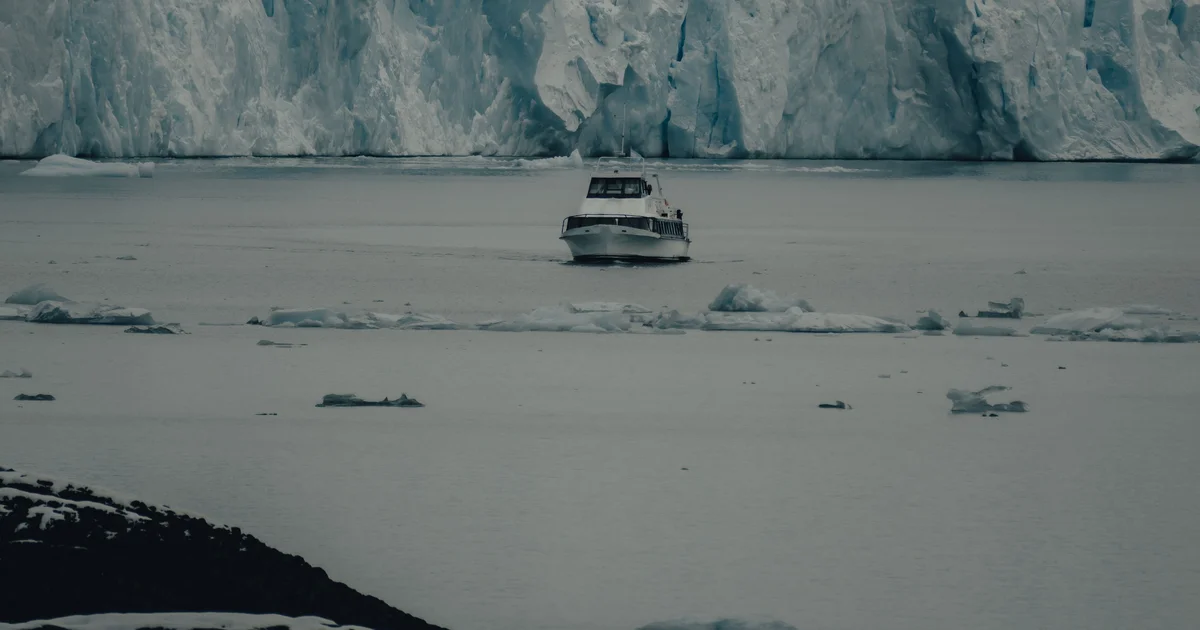
For most of the last two decades, the superyacht arms race was fought over square footage: bigger beach clubs, longer pools, more decks stacked above the waterline. A different contest is now under way, and it has nothing to do with marina berths. Owners are asking what their yacht can actually reach, not just how good it looks tied up in Monaco. That question has pulled a once-niche category, the expedition or explorer yacht, firmly into the mainstream of superyacht building.
What separates an explorer from a conventional superyacht
An explorer yacht is built around range and resilience rather than beach-club theatrics. Its defining feature is a reinforced, ice-strengthened hull. Classification societies use the IACS Polar Class system, with seven levels from PC1, intended for year-round operation in all polar waters, to PC7, intended for summer and autumn operation in thin first-year ice.
That grading is separate from the IMO Polar Code, which sets additional requirements for ships operating in polar waters, including ship safety, equipment, training, voyage planning and pollution prevention. Its Polar Ship Certificate uses Categories A, B and C rather than PC numbers. A PC6 or PC7 notation is intended for thin to moderate seasonal ice, with the vessel’s actual operating limits set by its specific class notation, certificate and the conditions encountered, nowhere near the multi-year pack ice the highest Polar Classes are built to handle.
Range matters just as much as hull strength. Several explorer yards market their designs on weeks of self-sufficiency at sea, with deep fuel and freshwater reserves and garages built for serious tenders, dive support gear and sometimes a helicopter rather than jet skis and inflatables. That kind of range is built for sustained open-ocean passages, not the marina-to-marina hopping a typical motor yacht of similar size is designed around. The whole brief shifts from comfort at anchor to independence at sea.
The yards redefining the category
Dutch builder Damen has done more than most to turn explorer yachting into a recognised product line, with its SeaXplorer range built on commercial offshore-support hull technology rather than a stretched pleasure-craft design. Italy’s Cantiere delle Marche has gone further still, building an entire yard identity around full-custom explorers for owners who want something closer to a research vessel than a flybridge cruiser.
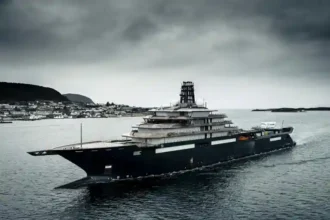
At the top of the market, Lürssen and Vard have each taken on enormous projects: Vard’s nearly 195-metre REV Ocean, designed with ocean research capability built in from the keel up, is the kind of yacht that barely resembles a yacht at all. Smaller, purpose-built yards such as Bering have built a following among owners who want ice capability without the price tag of the largest custom yards, and several of this year’s highest-profile new launches lean explorer, a shift our round-up of the hottest new superyachts launching in 2026 reflects.
Where an explorer yacht can actually take you
The whole point of the category is access. An ice-classed hull and a deep fuel range turn Antarctica’s Ross Sea, the Northwest Passage and the remotest reaches of the South Pacific from theoretical bucket-list items into charter itineraries that are achievable with the right planning, usually run with specialist expedition operators who handle permits, local knowledge, seasonal access windows and ice navigation on the owner’s behalf.
That is a genuinely different holiday from a week in the Balearics. Days are built around wildlife encounters, diving, kayaking or landing a tender on a beach few other yachts can reach, rather than restaurant bookings and nightclub transfers. For owners who have already done the Mediterranean every summer for a decade, that novelty is worth more than another five metres of beach club.
Specialist operators have grown up around this demand rather than waiting for it. EYOS Expeditions, which plans polar and remote voyages for private yachts, now runs itineraries that would have been rare for a charter guest a decade ago, from Ross Sea landings to anchorages few cruise ships ever reach. La Datcha, among the better-known charter explorers, pairs a hangar built for two helicopters with a dedicated dive centre, evidence that this kind of capability is increasingly built for actual use rather than as a design flourish.
A market gaining ground in the order book
The numbers back up what brokers have been saying anecdotally for years. BOAT International’s 2025 Global Order Book counted 105 explorer yachts in build worldwide, up from 99 the year before and now accounting for 9.2 per cent of the entire global order book by project count. Cantiere delle Marche alone has 20 explorers in build, totalling 805 metres of combined length.
The broader motor-yacht segment, still the largest slice of the order book, fell from 917 projects in 2024 to 866 in 2025, while expedition yachts rose from 99 to 105. For a conservative, slow-moving industry, that growth says more about where owner demand is heading than any amount of boat show chatter.
Adventure as the new status symbol
There is a quieter shift underneath the order book figures. Owning a yacht capable of reaching Antarctica says something different to the market than owning a longer yacht does. It signals experience, curiosity and a willingness to put real money behind a destination most superyachts will never see, which has its own kind of cachet among owners who have already ticked off the conventional luxury milestones.
None of that makes the explorer segment a passing fashion. The engineering commitment is too large, and the itineraries it unlocks are too genuinely rare, for this to be a style exercise. Expect the next wave of headline launches to keep leaning this way, built less for who is watching from the quay and more for where the owner actually wants to go.